Quick search
CTRL+K
Quick search
CTRL+K


Artificial Intelligence (AI) is reshaping the online shopping landscape, making it smarter and more efficient. From personalized recommendations to advanced inventory management, AI tools for eCommerce are enhancing how businesses operate and how customers shop. In this article, we’ll explore the various ways these tools are transforming the retail experience, helping brands meet the ever-evolving demands of consumers.
AI is really changing how we shop online. It’s not just about making things faster; it’s about making the whole experience feel more personal and tailored to each of us. I mean, who doesn’t like feeling like a store really gets them? It’s like they’re reading your mind, suggesting exactly what you need before you even know it. But it’s not magic, it’s just smart tech doing its thing.
AI can now tailor the shopping experience to each individual. Think about it: no more endless scrolling through products you don’t care about. Instead, you see stuff that’s actually relevant to your interests and past purchases. It’s like having a personal shopper who knows your style better than you do. This is achieved by gathering information on customer interactions, browsing and purchase history, location, and other factors. This is where AI shines. It can collect information on customers’ online shopping journeys and analyze buyer behavior to pinpoint products they’re likely to buy.
Remember the days of waiting on hold for hours, just to talk to someone who couldn’t really help? Those days are fading fast. AI-powered chatbots are stepping up to handle a lot of the basic customer service stuff. They can answer questions, resolve simple issues, and even guide you through the checkout process. And the best part? They’re available 24/7. It’s not perfect, but it’s a huge improvement over the old way of doing things. With virtual assistants and chatbot technology, you can deliver the appearance of higher touch customer support.
AI isn’t just about making things more efficient; it’s also about making them more engaging. Think about personalized recommendations, interactive product demos, and even AI-powered games that help you find the perfect product. It’s all about creating a more immersive and enjoyable shopping experience. And when you’re having fun, you’re more likely to stick around and make a purchase. AI allows you to tailor the shopping experience down to the individual. From personalized recommendations to custom messaging, you create a more engaging and relevant experience for each shopper. This level of personalization can significantly boost your brand’s appeal and keep customers coming back.
It’s important to remember that AI is a tool, not a replacement for human interaction. The best online stores will use AI to enhance the customer experience, not to replace it entirely. It’s about finding the right balance between automation and personalization.
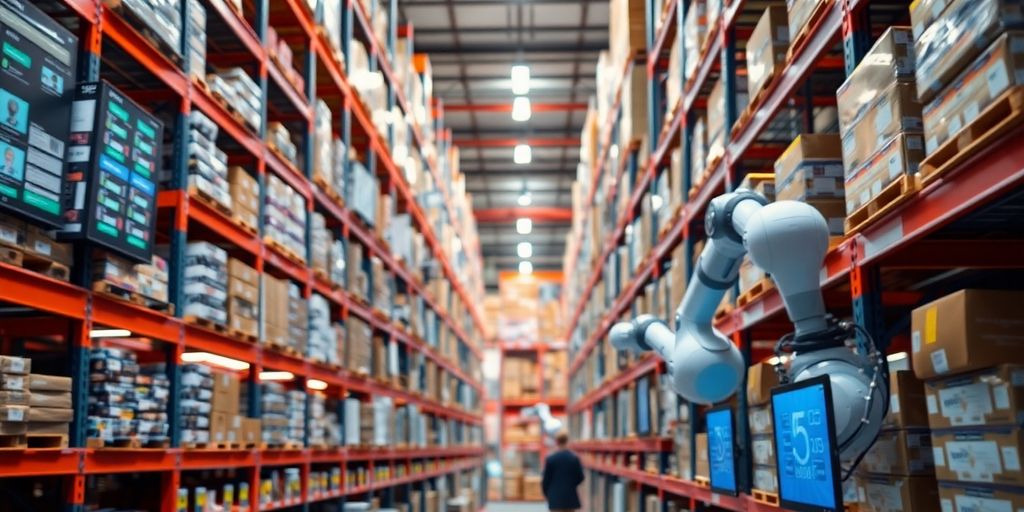
AI is changing how eCommerce businesses handle their inventory. It’s not just about counting items anymore; it’s about predicting what you’ll need, when you’ll need it, and how to get it there efficiently. Let’s look at how AI is making a difference.
AI can analyze past sales data, market trends, and even social media buzz to predict what products will be popular. This means less guessing and more accurate stock levels. For example, AI can help predict demand for seasonal items or identify emerging trends before they hit the mainstream. This helps avoid overstocking on items that won’t sell and stockouts on items that are in high demand. AI tools like Katana are great for this.
Imagine a system that automatically reorders products when stock levels get low. That’s what AI-powered reordering systems do. They monitor inventory in real-time and trigger orders when needed, reducing the risk of running out of popular items. This automation saves time and reduces the chance of human error. Here are some benefits:
AI can track inventory in real-time, providing a clear picture of what’s available and where it is. This is especially useful for businesses with multiple warehouses or retail locations. Real-time tracking helps prevent lost or misplaced items and ensures that products are available when and where customers need them.
AI is not just a futuristic concept; it’s a practical tool that can help eCommerce businesses optimize their inventory management, reduce costs, and improve customer satisfaction. By embracing AI, businesses can stay ahead of the competition and deliver a better shopping experience.
Dynamic pricing is changing how online stores set their prices. Instead of sticking to fixed prices, retailers are now using ai tools for ecommerce to adjust prices in real-time. It’s pretty cool, actually. Let’s get into the details.
AI algorithms can analyze tons of data to figure out the ideal price for a product at any given moment. This means prices can go up or down based on demand, time of day, and even what’s trending on social media. Imagine a store that sells umbrellas. If it starts raining, the AI will automatically increase the price because more people will want to buy them. When the sun comes out, the price goes back down. It’s all about supply and demand, but on steroids.
One of the coolest things AI can do is keep an eye on what your competitors are charging. The AI can track competitor prices and adjust your own prices to stay competitive. This doesn’t mean always undercutting the competition. Sometimes, it means matching their prices or even charging a bit more if you offer something extra, like faster shipping or better customer service. It’s like having a secret agent constantly checking out the competition.
AI can also analyze customer behavior to figure out how much people are willing to pay for something. For example, if someone has been looking at a particular product for a while, the AI might offer them a small discount to encourage them to buy it. Or, if someone is a loyal customer, they might get special pricing. It’s all about understanding what makes customers tick and using that information to boost sales. dynamic pricing is a game changer.
AI-driven dynamic pricing isn’t just about maximizing profits. It’s also about giving customers the best possible experience. By offering personalized prices and responding to market changes, retailers can build trust and loyalty. It’s a win-win for everyone involved.
Here’s a simple example of how dynamic pricing might work for a popular gadget:
| Time of Day | Demand | Competitor Price | Your Price (AI Adjusted) |
|---|---|---|---|
| Morning | Low | $99 | $95 |
| Afternoon | Medium | $99 | $99 |
| Evening | High | $105 | $103 |
Okay, so remember the days when you had to type in exactly the right words to find something online? Yeah, those were rough. Now, thanks to Natural Language Processing (NLP), eCommerce search is way smarter. You can type in phrases like “cute summer dresses for a beach vacation,” and the search engine actually understands what you’re looking for. It’s not just matching keywords; it’s understanding the intent behind your words. Pretty cool, right?
Intent recognition takes things a step further. It’s not just about understanding the words you use, but also figuring out why you’re searching for something. Are you looking to buy, research, or compare products? AI algorithms analyze your search history, browsing behavior, and even the time of day to figure out what you really need. This helps deliver search results that are super relevant to your current goal.
All this NLP and intent recognition stuff leads to one awesome thing: way better search results. No more sifting through pages of irrelevant products. AI algorithms constantly learn from user interactions, so the more people use the search function, the smarter it gets. It’s like having a personal shopper who knows exactly what you want, even before you do. Plus, it cuts down on bounce rates, which is a win for everyone.
Imagine searching for “gifts for dad who likes to grill.” Instead of just showing grilling equipment, the AI might suggest a personalized apron, a subscription box for BBQ sauces, or even tickets to a grilling competition. That’s the power of AI-driven search!
Marketing automation used to be about setting up a few email sequences and hoping for the best. Now, AI is changing the game, offering ways to make marketing efforts way more effective. It’s not just about saving time; it’s about getting better results by understanding customers better and reacting faster. Let’s take a look at how AI is shaking things up. You may check also Our other post about AI tools implementation for ecommerce businesses.
AI can analyze tons of data to figure out who’s most likely to buy what. Forget broad, generic ads. AI helps create ads that speak directly to the interests and needs of specific people. This means higher click-through rates and better use of ad spend. For example, Wisepops for product recommendations can be used to show customers items they are more likely to purchase, increasing sales.
AI makes it easier to group customers based on all sorts of things – their buying history, what they click on, how long they spend on certain pages, and even their social media activity. This goes way beyond basic demographics. With AI, you can create really detailed segments and tailor your marketing messages to each one.
Imagine sending emails that are perfectly timed and relevant to what each customer is doing right now. AI makes this possible. It can track customer behavior on your site and trigger emails based on those actions.
For instance, if someone abandons their cart, AI can send a personalized email reminding them about it, maybe even offering a discount. It’s all about reaching the right person with the right message at the right time. This is a great way to automate abandoned cart inquiries and recover lost sales.
It’s no secret that online security is a huge deal, especially when money is involved. I mean, who isn’t worried about getting their credit card info stolen? Luckily, AI is stepping up to make things safer for both businesses and customers. It’s not a perfect fix, but it’s a big improvement.
AI algorithms are getting really good at spotting fraud. They can analyze tons of transactions in real-time and pick out patterns that humans would probably miss. Think about it: unusual purchase amounts, weird locations, or just a sudden spike in activity. These algorithms flag those things so the system can take a closer look. It’s like having a super-smart, tireless security guard watching every transaction. This helps to protect against fraudulent transactions and keeps everyone’s money a little safer.
AI can also make payment processing more secure. It can help verify identities, making sure the person making the purchase is actually who they say they are. Plus, it can encrypt data to protect it from hackers. It’s all about adding layers of security to make it harder for bad guys to get in. This is especially important as more and more people shop online.
Data privacy is a big concern these days, and AI can help with that too. It can automate a lot of the tasks involved in managing data privacy, like making sure companies are following the rules and regulations. It can also help protect sensitive data from being accessed by unauthorized people. It’s not just about security; it’s about respecting people’s privacy and building trust.
AI is not a silver bullet, but it’s a powerful tool that can help make online shopping safer and more secure. It’s all about staying one step ahead of the bad guys and protecting both businesses and customers from fraud and data breaches.

Okay, so personalization is already a big deal, but get ready for hyper-personalization. We’re talking about AI that knows you better than you know yourself (almost!). It’s not just recommending products based on past purchases; it’s anticipating your needs based on your browsing history, social media activity, even the time of day. Imagine seeing ads for rain boots pop up before you even check the weather forecast. That’s the level we’re heading toward. This AI revolution will change everything.
AR is about to blow up in eCommerce, and AI is the fuel. Think about trying on clothes virtually, seeing furniture in your living room before you buy it, or even getting a virtual consultation with a stylist. AI will power the object recognition, the realistic rendering, and the personalized recommendations within these AR experiences. It’s going to make online shopping way more immersive and, honestly, way more fun. I can’t wait for augmented reality to become mainstream.
We’re already shopping on our phones, laptops, and tablets, but the future is about true omnichannel. AI will connect all these touchpoints, creating a single, unified shopping experience. Start a purchase on your phone, continue it on your laptop, and pick it up in-store – all without missing a beat. AI will track your preferences and behavior across all channels, ensuring a consistent and personalized experience no matter where you are. It’s about making shopping as convenient and seamless as possible.
The future of eCommerce isn’t just about selling products; it’s about building relationships. AI will be the key to understanding customers on a deeper level and creating experiences that keep them coming back for more.
So, there you have it. AI is really shaking things up in the eCommerce world. From making shopping more personal to helping businesses run smoother, it’s clear that these smart tools are here to stay. As more companies jump on the AI bandwagon, we can expect even better shopping experiences. Sure, there are challenges ahead, but the potential benefits are huge. If you’re in the online retail game, embracing AI isn’t just a good idea; it’s becoming a must. The future looks bright, and it’s exciting to think about what’s next. Check out the AI chatbot opportunities for eCommerce.
Also visit AIwuse AI eCommerce tools category.
AI in eCommerce refers to using artificial intelligence technologies to improve online shopping experiences, making them more personalized and efficient.
AI personalizes shopping by analyzing customer data to recommend products that match their preferences, such as style, size, and color.
AI enhances customer support by using chatbots that provide instant help and answer questions, improving the overall shopping experience.
AI helps manage inventory by predicting stock levels, automating reorders, and tracking inventory in real-time to avoid shortages.
Dynamic pricing is when AI adjusts product prices based on market demand, competitor pricing, and customer behavior to maximize sales.
Future trends in eCommerce AI include hyper-personalization, using augmented reality for shopping, and creating seamless experiences across different shopping channels.


