Quick search
CTRL+K
Quick search
CTRL+K


Artificial Intelligence (AI) is changing the way we think about education. It’s not just about tech for tech’s sake; it’s about making learning better for everyone. With AI in education, students can enjoy personalized learning experiences, get instant help from AI tutors, and use smart learning tools that make studying more engaging. This article explores how AI is transforming classrooms and what it means for teachers and students alike.
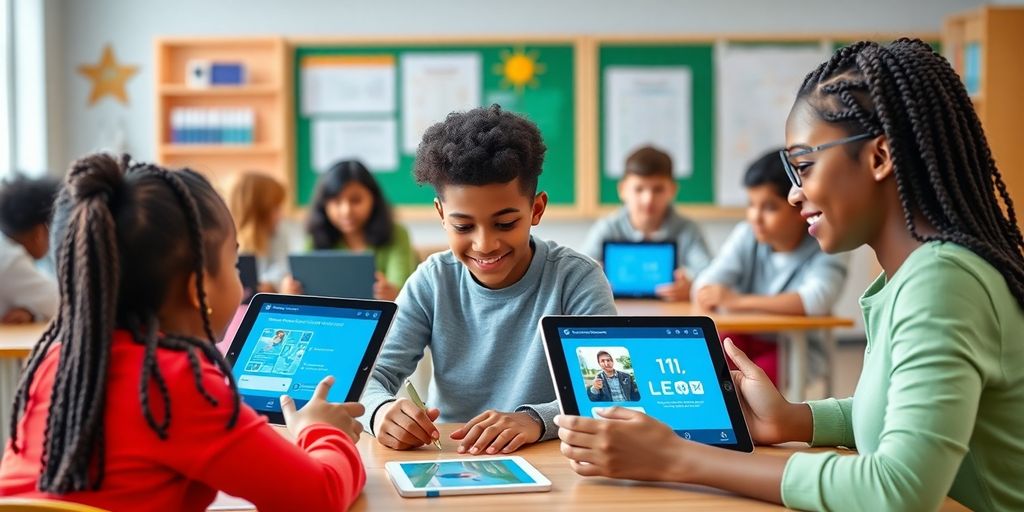
AI is really changing how we think about teaching. Instead of one-size-fits-all lessons, AI can help create learning experiences that are just right for each student. It’s like having a personal tutor who knows exactly what you need to work on. This is especially helpful for students who might be struggling or those who are ready to move ahead faster. The idea is to make learning more effective and engaging by adapting to individual learning styles.
AI can analyze a student’s strengths and weaknesses, then adjust the difficulty and content of the lessons accordingly. This means no more being bored because the material is too easy or frustrated because it’s too hard. It’s all about finding that sweet spot where learning happens best.
Here’s how it breaks down:
Let’s be honest, sometimes school can be a bit of a drag. But AI has the potential to make learning way more interesting. Think about it: interactive simulations, educational games, and virtual field trips. These are just a few ways AI can bring lessons to life. And when students are engaged, they’re more likely to pay attention, participate, and actually learn something. It’s about making learning fun and relevant, so students want to learn. Check out these personalized learning platforms that are available.
Everyone learns at their own speed, right? Some people pick things up quickly, while others need a little more time. AI makes it easier for students to learn at their own pace. They can review material as many times as they need to, without feeling rushed or pressured. And if they’re ready to move on, they don’t have to wait for the rest of the class. It’s all about giving students more control over their learning journey.
Here are some benefits of self-paced learning:
AI tutors are changing how students get help, offering support that wasn’t possible before. It’s not just about replacing teachers; it’s about giving students extra resources to learn in ways that work best for them. These systems can adapt to each student’s pace and style, providing a more personalized learning experience.
AI tutors shine when it comes to giving instant feedback. Students don’t have to wait for a teacher to grade their work; they can get immediate insights into what they did right or wrong. This is super helpful for subjects like math or writing, where understanding each step is key. Plus, it lets students correct mistakes right away, which helps them learn faster. Think of it as having a patient, always-available study buddy. For example, AI tutors can provide instant feedback on essays, helping students improve their writing skills.
One of the coolest things about AI tutors is how they can create adaptive learning paths. This means the tutor adjusts the difficulty and content based on how well a student is doing. If a student is struggling with a concept, the AI tutor will offer extra practice or explain it in a different way. If they’re breezing through the material, it’ll move them on to more challenging topics. It’s all about keeping students engaged and making sure they’re always learning at the right level.
AI tutors can be a game-changer for students who have fallen behind or have gaps in their knowledge. They can identify these gaps and provide targeted support to help students catch up. This is especially important for students who may not have access to extra help outside of school. AI tutors can offer personalized instruction and practice, ensuring that no student is left behind. It’s like having a virtual tutor that’s dedicated to helping them succeed.
AI tutors aren’t just about answering questions; they’re about teaching students how to learn. They provide hints, explanations, and strategies that help students develop problem-solving skills and a deeper understanding of the material. This approach empowers students to become more independent learners and take control of their education.
It’s not just about replacing teachers with robots; it’s about giving them super-powered assistants and students amazing new ways to learn. AI learning tools are changing how classrooms operate, making learning more interactive and tailored to each student.
Remember the old chalkboards? Now we have interactive displays and smart boards that can do so much more than just show static images. These tools can bring lessons to life with videos, simulations, and interactive exercises. Teachers can use them to create engaging presentations, and students can collaborate on projects in real-time. It’s a whole new level of classroom engagement. For example, teachers are finding many different ways to use AI capabilities to enhance their lessons.
Science class just got a whole lot cooler. Virtual labs let students conduct experiments without needing expensive equipment or worrying about safety hazards. Educational games make learning fun and engaging, turning lessons into challenges that students actually want to complete. These tools can help students understand complex concepts in a way that’s both memorable and enjoyable.
AI-powered collaborative learning platforms are changing how students work together. These platforms allow students to share ideas, work on projects, and provide feedback to each other in real-time. AI can also help facilitate group discussions, ensuring that everyone has a chance to participate and that the conversation stays on track. These platforms can also track student progress and provide teachers with insights into how well students are working together. These tools help teachers develop content aligned with curriculum standards, ensuring that educational materials effectively meet diverse student needs.
AI in the classroom isn’t about replacing teachers; it’s about augmenting their abilities and providing students with more personalized and engaging learning experiences. It’s about creating a classroom where every student has the opportunity to reach their full potential.
AI isn’t just changing how students learn; it’s also shaking up the administrative side of education. Teachers and administrators are finding that AI tools can take a load off their plates, freeing them up to focus on what really matters: the students.
AI can help teachers create lesson plans more efficiently. Instead of spending hours searching for resources and crafting activities, teachers can use AI to generate ideas, find relevant materials, and even create initial drafts of lesson plans. This doesn’t mean teachers are replaced; it means they can spend more time refining and personalizing lessons to fit their students’ needs. AI can quickly adapt to different learning styles.
Grading papers is a time-consuming task that many teachers dread. AI-powered grading systems can automate the process, providing instant feedback to students and saving teachers hours of work. These systems can grade multiple-choice tests, short-answer questions, and even essays, providing detailed reports on student performance. It’s not about replacing the teacher’s judgment, but about making the process faster and more consistent. However, it’s important to remember that AI-generated feedback should always be reviewed by a teacher to ensure it aligns with educational goals and addresses individual student needs.
AI can also help with a variety of other administrative tasks, such as:
By automating these tasks, AI can free up teachers and administrators to focus on more important things, such as student support and curriculum development. It’s about making the whole educational system run more smoothly.
AI is not a replacement for teachers or administrators, but a tool that can help them be more efficient and effective. By embracing AI, schools can create a more supportive and engaging learning environment for all students.
AI in education is taking off, but it’s not all sunshine and rainbows. We need to think about the ethical side of things before we go too far. It’s not just about cool tech; it’s about doing what’s right for students.
AI tools collect a ton of student data. We need to be super careful about how that data is used and protected. It’s like, do parents and students even know what’s being collected? Schools need to be upfront about this stuff. Get consent, explain everything in plain language, and make sure the data is secure. No one wants a data breach with student info all over the internet.
AI can be biased. Seriously. If the data it learns from is biased, the AI will be too. It might favor certain groups of students over others, which is totally unfair.
We need to check these AI tools for bias regularly. Use diverse data sets to train them. And, honestly, just be aware that bias can creep in anywhere. It’s an ongoing process.
Not every student has the same access to tech. Some schools have all the latest gadgets, while others are struggling to keep the lights on. If we’re using AI in education, we need to make sure everyone has a fair shot. That means providing devices, internet access, and training for both students and teachers. Otherwise, we’re just making the digital divide even bigger.
Here’s a quick look at potential disparities:
| Resource | High-Income Schools | Low-Income Schools |
|---|---|---|
| Devices per Student | 1:1 | 1:3 |
| Internet Access | 100% | 75% |
| AI Training | Yes | Limited |
We need to close these gaps so that all students can benefit from AI in education.
The world of education is on the cusp of some pretty big changes, thanks to the rapid development of AI. It’s not just about replacing teachers with robots; it’s about creating a more supportive and effective learning environment for everyone. We’re talking about AI that can adapt to each student’s needs, provide instant feedback, and even help with administrative tasks. But with all this potential comes some serious stuff to think about, like making sure everyone has access to these tools and that they’re used ethically.
AI isn’t standing still. It’s constantly getting better, and that means the tools we use in education will also keep improving. We’re already seeing AI that can generate personalized learning plans and provide detailed feedback on student work. In the future, we might see AI that can create entire courses or even act as a virtual mentor. The key is to stay up-to-date with these changes and figure out how to use them in a way that benefits students. For example, curriculum integration is one area that needs more research.
Imagine a classroom where every student gets the support they need, exactly when they need it. That’s the promise of AI in education. It can help students learn at their own pace, provide them with personalized feedback, and even connect them with resources they might not otherwise have access to. AI-powered tools can also make learning more engaging and interactive, with virtual labs, educational games, and collaborative platforms. It’s about making learning more fun and effective.
Here’s a quick look at some potential benefits:
The real potential lies in creating a more equitable and accessible education system for all students, regardless of their background or learning style. It’s about using AI to level the playing field and give everyone a chance to succeed.
This is a big one. All these fancy AI tools won’t do much good if teachers don’t know how to use them. That means providing educators with the training and support they need to integrate AI into their classrooms. It’s not just about learning how to use the tools; it’s about understanding how they can enhance their teaching and improve student outcomes. It also means addressing any concerns or fears teachers might have about AI replacing them. The goal is to empower teachers to use AI as a tool to improve their teaching, not to replace them altogether. We need to focus on AI literacy for educators, so they can confidently use these new technologies.
As we wrap up, it’s clear that AI is changing the way we learn and teach. It’s not just about fancy tech; it’s about making education more personal and accessible for everyone. With tools like AI tutors and smart learning apps, students can get help whenever they need it, and teachers can focus more on what really matters—connecting with their students. Sure, there are challenges to tackle, like privacy and fairness, but the potential benefits are huge. If we can figure out how to use AI wisely, we might just create a better learning environment for all. The future of education looks bright, and AI is a big part of that picture.
AI can adjust lessons to fit each student’s unique needs and learning style. This means if a student struggles with a topic, AI can provide extra help, while advanced learners can move ahead more quickly.
AI tutors are programs that offer instant feedback and support to students. They create learning paths that change based on how well a student is doing, helping them learn at their own pace.
Teachers can use AI tools like interactive whiteboards, virtual labs, and educational games to make lessons more engaging. These tools help students learn better by making the experience more interactive.
AI helps teachers by automating tasks like grading and lesson planning. This saves time, allowing teachers to focus more on teaching and helping students.
Some concerns include privacy issues, as AI collects student data, and the risk of bias in AI tools. It’s important for schools to ensure all students have equal access to these technologies.
The future looks bright for AI in education, with new technologies emerging that can enhance learning experiences. Teachers will need to adapt and learn how to effectively use these tools in their classrooms.


